Nutrition basics
High-Protein Foods: A Simple List to Stay Full
If you only optimize one thing about your diet, make it protein. It’s the most filling macronutrient, it protects muscle when you’re losing weight, and it makes almost any eating plan easier to stick to.
How much protein do you need?
For most active adults, aim for 1.6–2.2 g of protein per kg of body weight per day. For a 70 kg person that’s roughly 110–155 g. Spreading it across 3–4 meals (25–40 g each) works better than loading it all at dinner.
Animal sources (per ~100 g cooked)
- Chicken breast — ~31 g
- Turkey — ~29 g
- Lean beef — ~26 g
- Salmon — ~25 g; tuna — ~26 g
- Eggs — ~13 g (about 6 g each)
- Greek yogurt — ~10 g; cottage cheese — ~11 g
Plant sources
- Lentils — ~9 g; chickpeas — ~9 g (per 100 g cooked)
- Tofu — ~8 g; tempeh — ~19 g
- Edamame — ~11 g
- Seitan — ~25 g
- Peanut butter — ~25 g per 100 g (calorie-dense, watch portions)
Budget-friendly picks
Eggs, canned tuna, chicken thighs, lentils, beans, and cottage cheese give you the most protein per dollar. Frozen and canned options are just as nutritious as fresh and cut down on waste.
Easy ways to add protein
- Start the day with eggs or Greek yogurt instead of just carbs.
- Add beans or lentils to soups, salads, and pasta.
- Keep a “fast protein” on hand: tuna pouches, boiled eggs, or a shake.
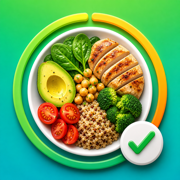
- Build each plate around a protein first, then add the rest.
You don’t need expensive powders or exotic foods — just a protein anchor at every meal. Track it for a week and you’ll quickly see where the gaps are.
See protein and macros for every meal in Caloria AI.
Launching July 1, 2026 →